At the Service of Wudi: Life at the Court of a Great Chinese Emperor
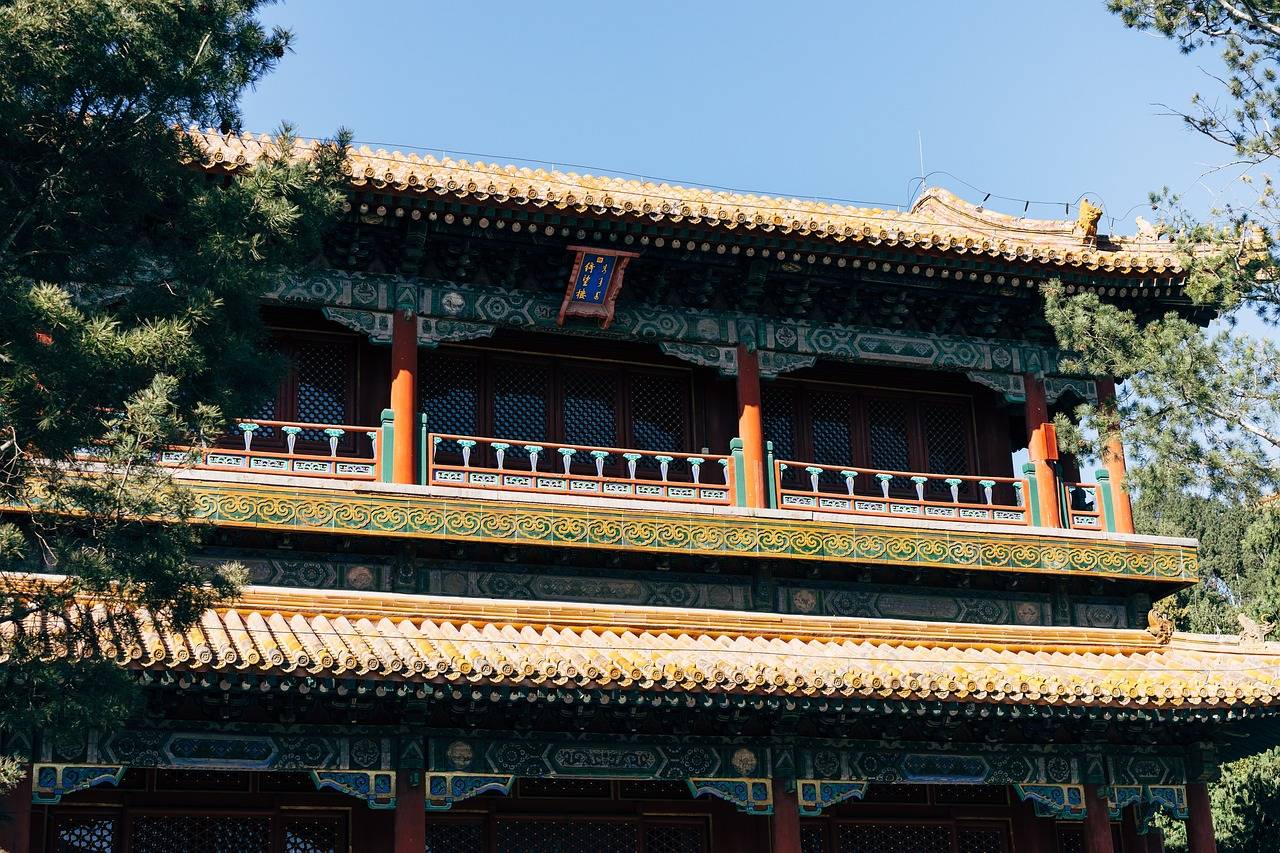
Introduction: The Court of Emperor Wudi
During the reign of Emperor Han Wudi of China (141–87 B C), the imperial court was a place of spectacle, diplomacy, and ceremony. Long‑distance visitors came to pay homage, present gifts, and express loyalty to this powerful ruler who transformed the Han Dynasty into one of China’s most celebrated eras.
The Prestige of the Emperor
Emperor Wudi was known for showcasing his wealth and authority. His court was not only a political center but also a cultural hub where scholars, artists, and officials played key roles in shaping the empire. Ceremonies, celebrations, and lavish banquets underscored his status and allowed courtiers to demonstrate respect and allegiance.
Rituals and Cultural Ceremonies
Wudi restored important state rituals like “Feng and Shan”, sacred sacrifices to heaven and earth meant to affirm cosmic harmony and the emperor’s mandate. Astrologers and scholars carefully calculated auspicious dates for these rites, reflecting the deep connection between imperial authority and spiritual practice.
Sima Qian: Scholar and Historian
Among those who served at court was Sima Qian, son of the imperial astrologer. After his father’s death, Sima Qian rose to prominence as Grand Astrologer and also became one of China’s most important historians. He documented important events and personalities of his time, including his own experiences at the court of Wudi.
Imperial Justice and Consequences
Life at court could be perilous. When Sima Qian defended a general who had surrendered to the nomadic Xiongnu, Emperor Wudi perceived this as disloyalty and punished him severely. Sima Qian’s experience highlights both the absolute power of the emperor and the strict expectations placed on those in his service.