The Vikings
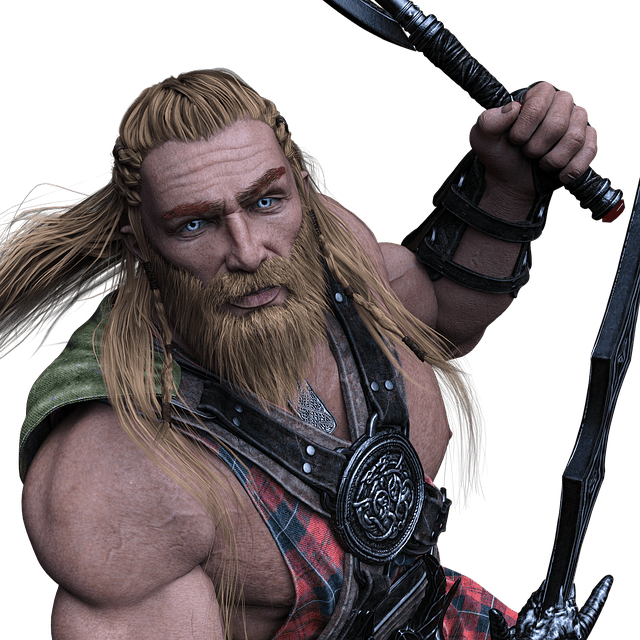
Were they merciless barbarians or pioneers of a brilliant civilization? The Vikings were warriors and seafarers from Scandinavia. Between the late 8th and the 11th centuries, they undertook expeditions across the seas of Europe, as well as the North Atlantic and the continent’s major rivers.
Written sources distinguish between the masculine term víkingr, which refers to a man taking part in a maritime expedition, often involving warfare or raiding, and the feminine term víking, which refers to an expedition. The expression fara í víking means “to go on a Viking expedition”. The term “Vikings” is sometimes used broadly to describe the Scandinavian peoples of the Middle Ages, originating mainly from Denmark, Sweden and Norway. From the 9th century onwards, Scandinavians also settled in Iceland.
Viking architecture, built mainly of wood, has largely disappeared. Their art was primarily decorative and highly sophisticated, featuring geometric figures, extremely intricate interlacing patterns and stylized animal motifs. Their technical knowledge of shipbuilding was highly advanced. The Vikings had several types of ships, each designed for a specific purpose. The langskip was a long, fast and manoeuvrable warship, while the knörr was a merchant vessel capable of carrying heavy loads. Despite their length, Viking ships remained lightweight and could be pulled ashore or, in certain circumstances, transported overland.
The Vikings believed that the gods and goddesses they worshipped lived in another world, Asgard, beyond a rainbow-shaped bridge called Bifröst. The wisest and most important of the gods was Odin. He was served by the Valkyries, who rode on horseback across battlefields. According to Norse mythology, they carried some of the heroes who had fallen in battle to the great feasting hall of the realm of the gods, Valhalla. Thor, the warrior god and master of thunder, was another deity revered and respected by the peoples of the North. The Vikings also believed that the gods had powerful adversaries: the giants, who lived in worlds associated with ice and hostile regions.
Viking craftsmen made utensils, decorative objects and jewellery from gold, silver and bronze. Women wove woollen clothing. The Vikings raised sheep, goats, pigs and poultry, and cultivated wheat and barley. Their diet included bread, meat, vegetables and fish. The people of the North used honey to sweeten their food and also to make mead, a fermented alcoholic beverage.