

Dragons and Serpents
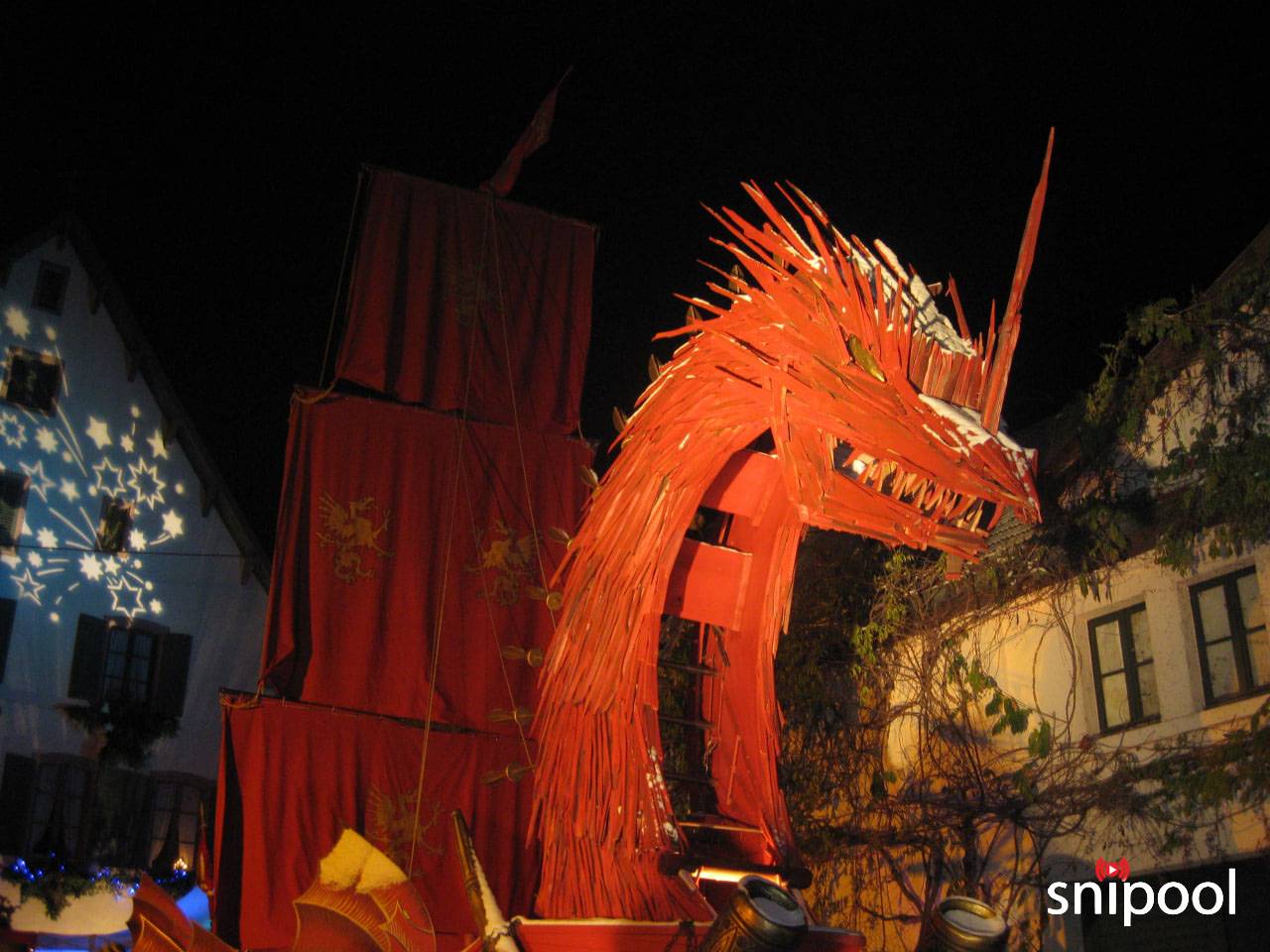
The dragon is a gigantic reptilian creature with sharp claws and metallic-shimmering, scaly skin. It is often depicted with membranous wings. Dragons are believed to dwell in remote locations such as caves, rivers, and mountains. They can breathe fire or toxic smoke and are sometimes said to have the ability to read minds. These creatures prefer fresh meat, livestock, and humans as food, with a particular taste for young women.
Dragons are famous for collecting treasure throughout their long lives, hiding these precious items deep within mountain caves. They guard their hoard jealously and allow no one to approach. It is said that offering gold and jewels can soothe a dragon’s wrath. A vivid example of such a treasure-guarding dragon can be seen in the film The Lord of the Rings.
In Western mythology, fire dragons dominate the stories, whereas in many Asian cultures, water dragons are central to folklore. These water dragons resemble enormous serpents and are said to live in rivers and oceans. Many legends recount sailors’ encounters with these swift, looming beasts.
Serpents
An Aztec legend tells of Quetzalcoatl, the great feathered serpent and priest-king. Wise and peaceful, he refused human sacrifices and offered birds, serpents, butterflies, and flowers to the gods. After a tragic event, he lost his throne and vowed to return one day to reclaim his kingdom. Over time, Quetzalcoatl became revered as a feathered serpent god.
When the conquistador Hernán Cortés landed on the Mexican coast in 1519, the Aztec emperor Moctezuma II wondered whether this white, bearded man was Quetzalcoatl come to reclaim his realm. Fearing confrontation, he allowed Cortés to occupy his empire.
Among the Maya, the “Serpent of Visions” was considered a supernatural being that enabled communication with gods and ancestors. It was believed to have two heads — one in the human world and one in the beyond. The Maya thought it appeared only in trance-like states, prompting them to alter consciousness through pain, fasting, or ceremonial rituals.