

Oceania
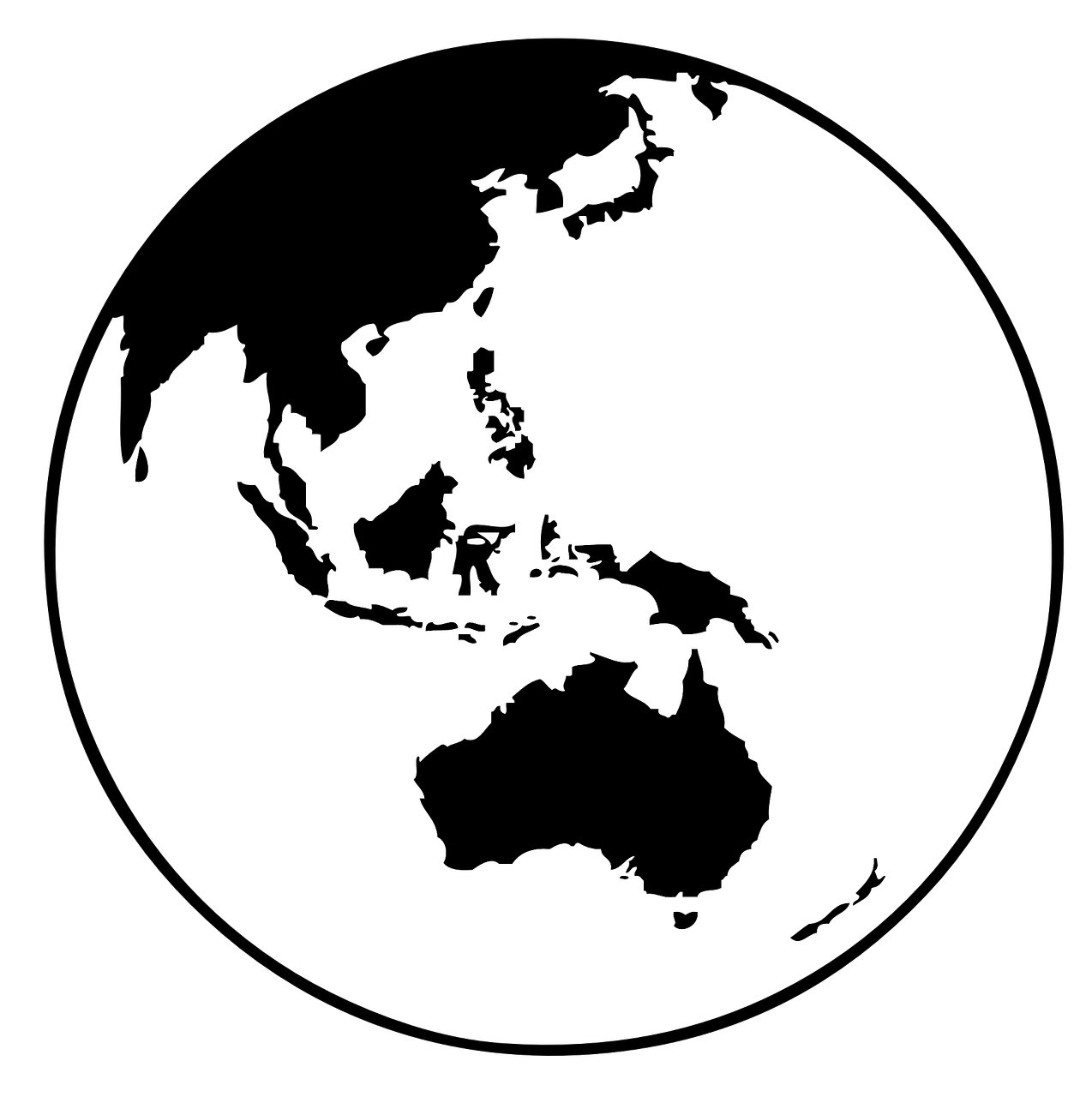
Oceania includes the continents of Australia and New Zealand, as well as a vast archipelago of over 25,000 islands. These islands are generally small, often consisting of individual islets rising above the Pacific Ocean, and many are uninhabited. The archipelago is divided into three geographic and cultural regions: Micronesia, Melanesia, and Polynesia.
Distribution of Islands in Oceania
Micronesia
The most well-known islands in Micronesia are the Marshall Islands and the Mariana Islands, located in the northern Pacific Ocean.
Melanesia
Melanesia includes prominent islands such as Papua New Guinea, Fiji, New Caledonia, and the Solomon Islands.
Polynesia
Polynesia comprises the Cook Islands, the islands of French Polynesia, and the Easter Islands, located further south and central in the Pacific.
Origin and Geography of the Islands
The smaller islands in Oceania were formed by volcanic activity and are often surrounded by coral reefs. Famous volcanic islands include Hawaii, Tahiti, and the Marquesas Islands.
The formation of coral reefs is influenced by both geographic latitude and the concentration of volcanoes, creating unique ecosystems.
Interesting fact: Some coral reefs grow about 1 cm per year, meaning the oldest reefs in Oceania are thousands of years old.
Climate and Natural Phenomena
The climate in Oceania is mostly warm and humid, except for Tasmania on the South Island of New Zealand and the dry desert regions of Australia.
Tropical storms, sea breezes, and hurricanes are common due to the warm ocean waters. On New Zealand’s South Island, the Alps are covered with snow and glaciers.
Wildlife and Plants
The most characteristic animals in Oceania are marsupials, such as giant kangaroos, koalas, and the Tasmanian devil. Australia is home to over 400 species of eucalyptus, which form a central part of the ecosystem.
This unique flora and fauna make Oceania one of the most diverse and species-rich regions on Earth.